Grow West Newsletter
Growing Together Fall 2026

Post-Harvest Perspectives
Setting the stage for next season's success
Harvest may be over, but area orchards and fields still need attention before the winter. We talked with three Grow West pest control advisors about the post- harvest steps they recommend for their nut, rice and processing tomato growers and the importance of planning for next season.
Q: Looking back at this season, what were a few challenges?
MATT: We had a pretty rainy spring, which was challenging for the almonds with multiple diseases, and rust was really bad this year. In walnuts, we had pretty heavy blight spray programs go out. The rain also led to some Botryosphaeria infections, and we had really high pressure from mites in walnuts.
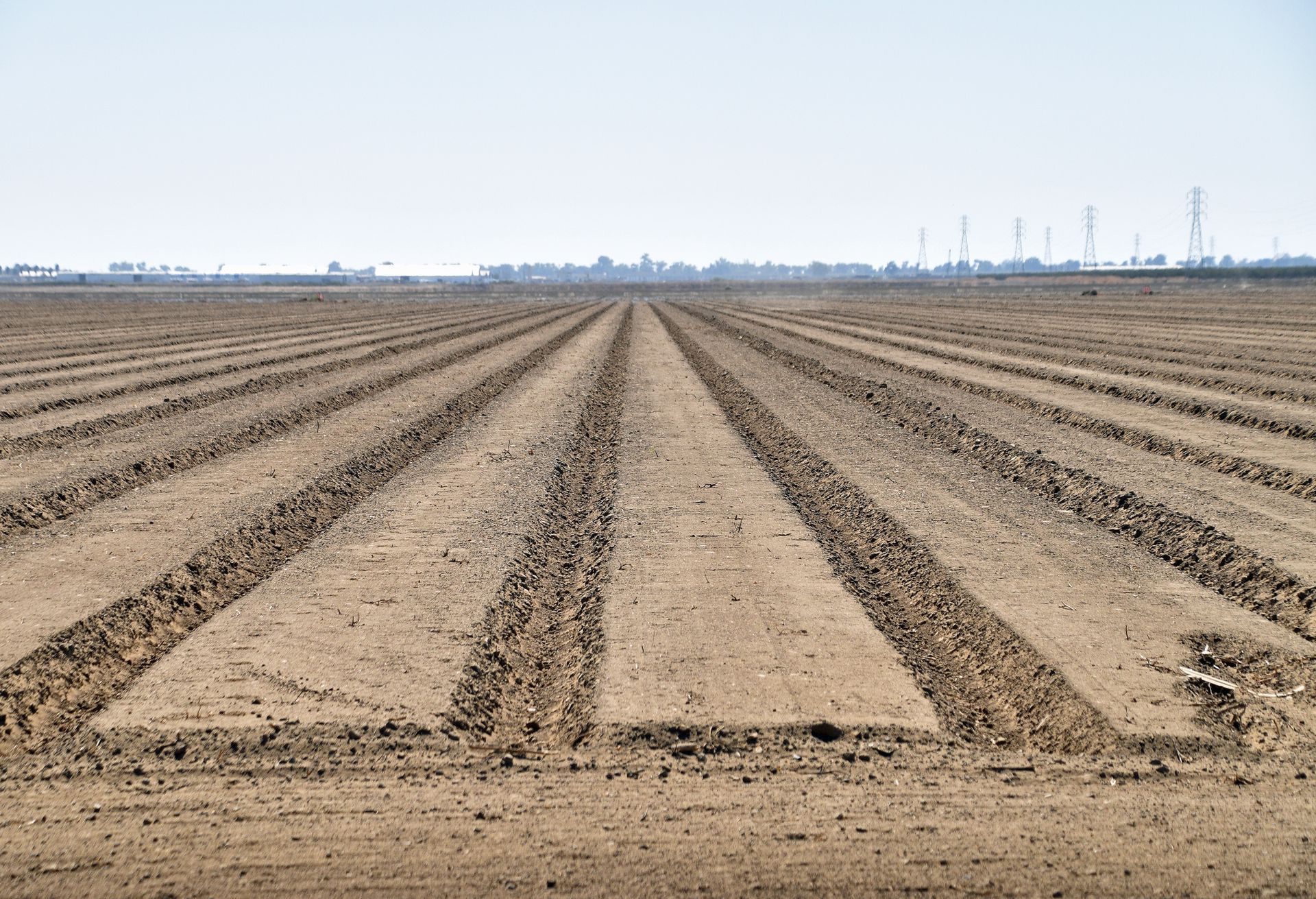
Shortly after harvest, many processing tomato growers get beds prepared for the next season. Frequently, they’ll also apply an herbicide to prevent winter weeds.
Photo: Vicky Boyd.
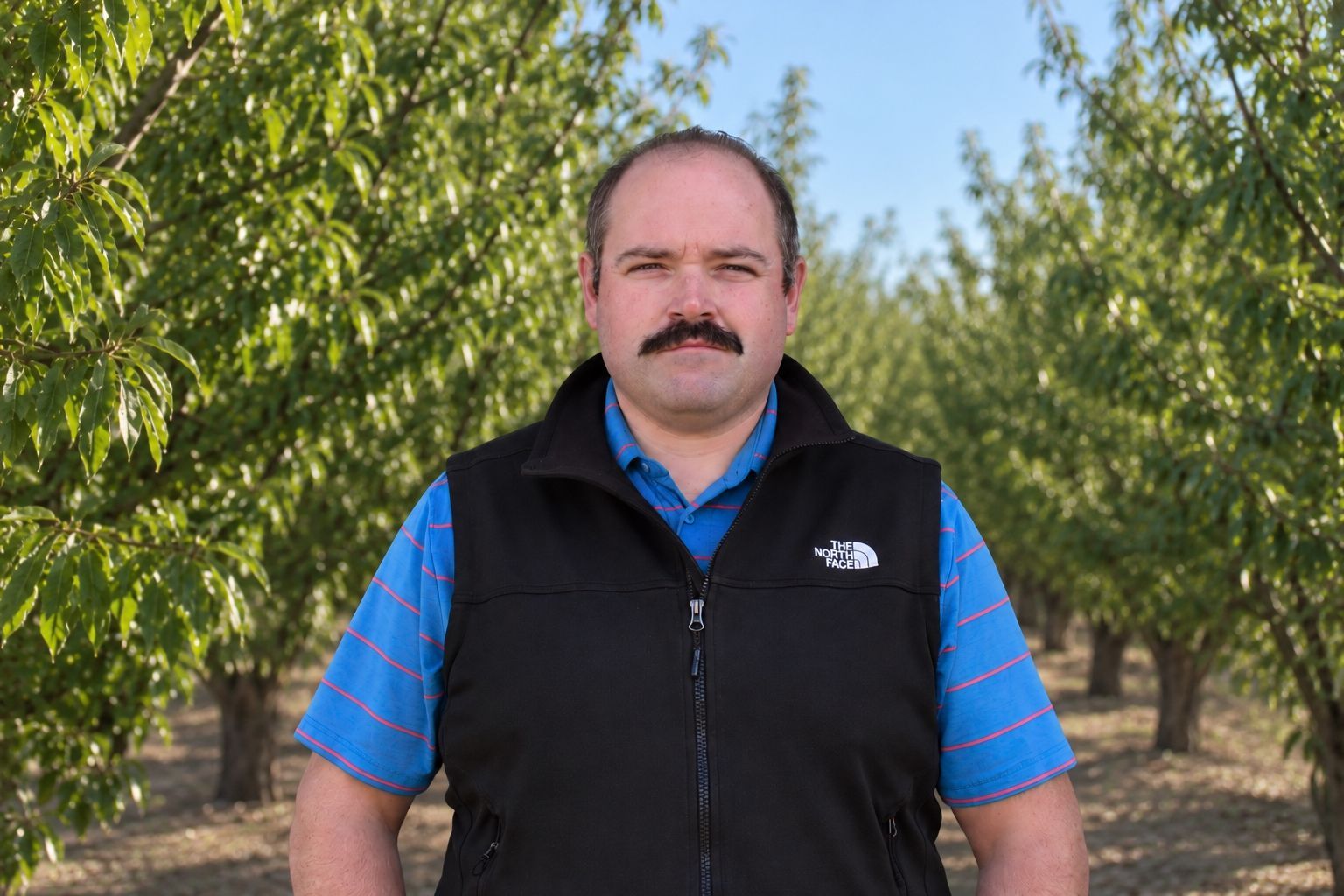
Matt Lagorio / Yuba City
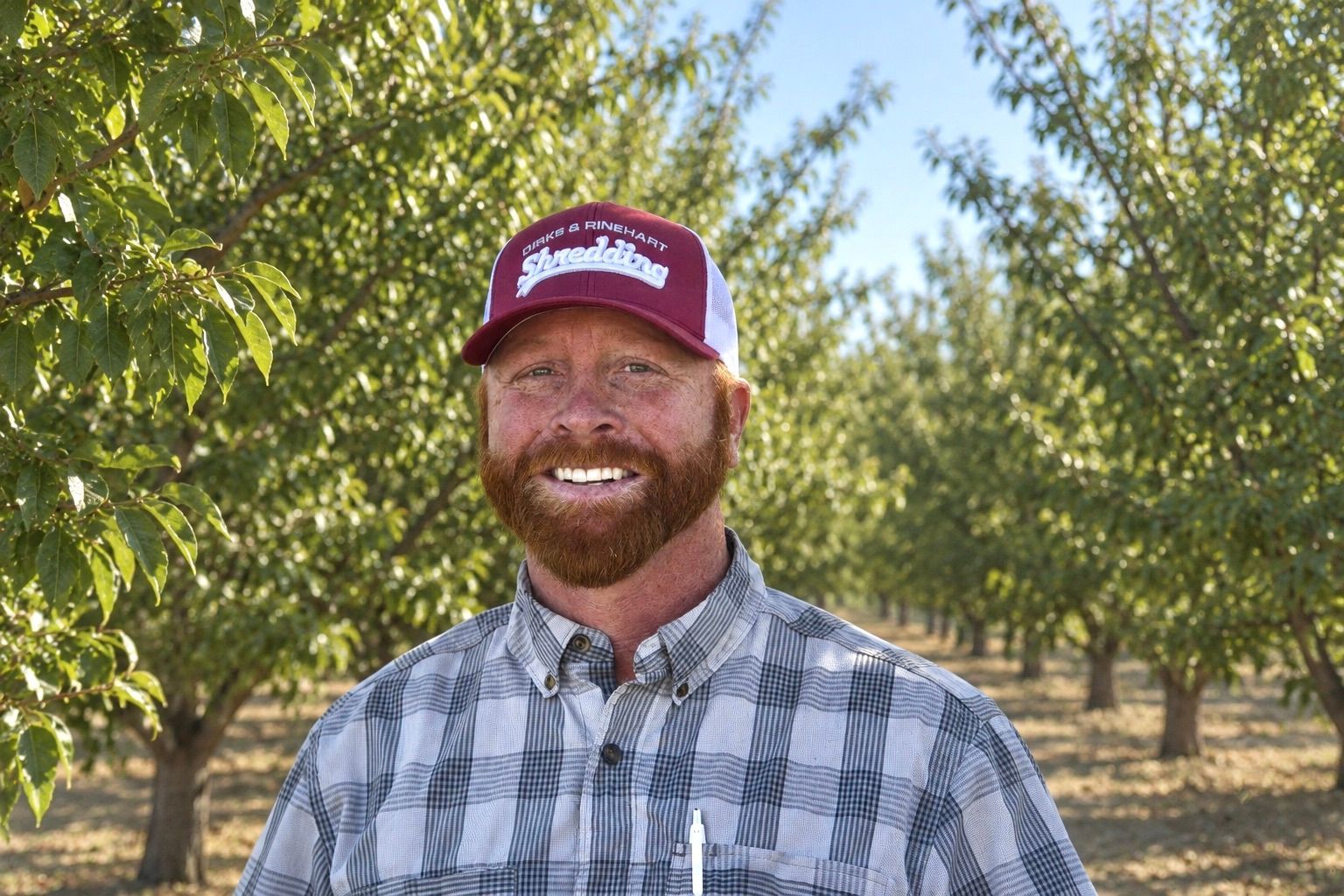
Jake Rinehart / Maxwell
JAKE: Rice preseason was dry, then it started to rain and everybody panicked. The wet weather delayed normal cultivation practices and pushed back growers’ normal planting schedules.
JUSTIN: This processing tomato season, we had a wet spring that delayed planting. The early tomatoes got some good rain, which beat them up a bit. With the rain and cool weather, I did see a little bacterial speck. After mid-April, things warmed up.
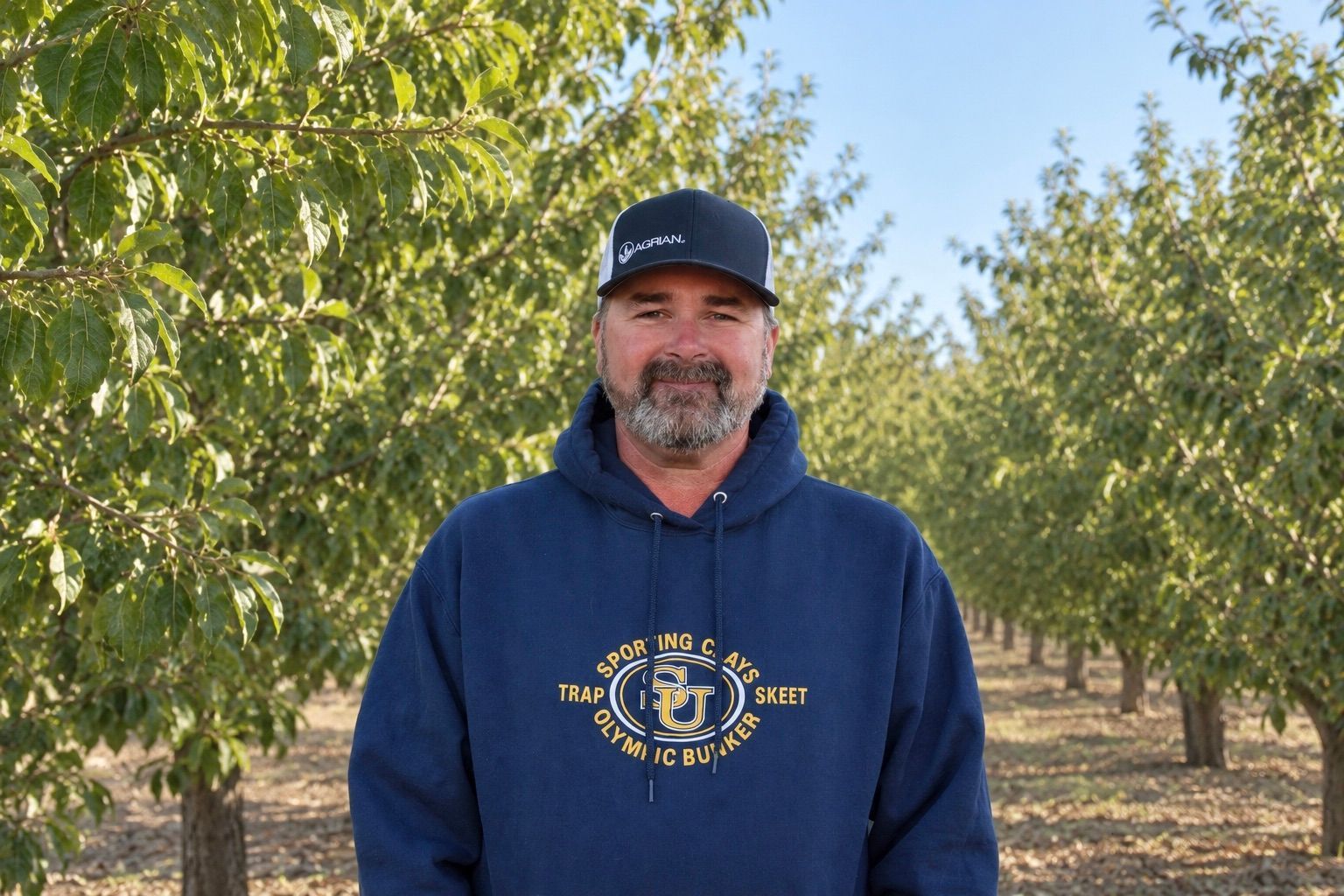
Justin Olenski / Yuba City
Q: How did the earliness of the harvest affect growers?
MATT: It was probably 7-14 days early, depending on the crop and varieties. The growers had to be a little bit more on their game as far as pre-harvest practices go, and they couldn’t just go off a calendar.
JUSTIN: When growers started harvesting, it was early and the processors were still trying to get the canneries going. There was a lot of split set in tomatoes, so a lot of the later fruit was still green. Even with the (cannery) delay, growers were harvesting a lot of greens, which they don’t get paid for but count against their delivered tons.
Q: How should growers evaluate what worked and what didn’t work?
MATT: Mid-July tissue samples are a really good report card for what you did throughout the season as far as fertilizers, both foliar and soil applied. That, combined with late-summer soil samples, helps plan our post-harvest practices in the fall and over the wintertime.
Taking field grades is a good practice, and you can look back on grade sheets as well and see insect levels or any issues with color, shrivel or sizing.
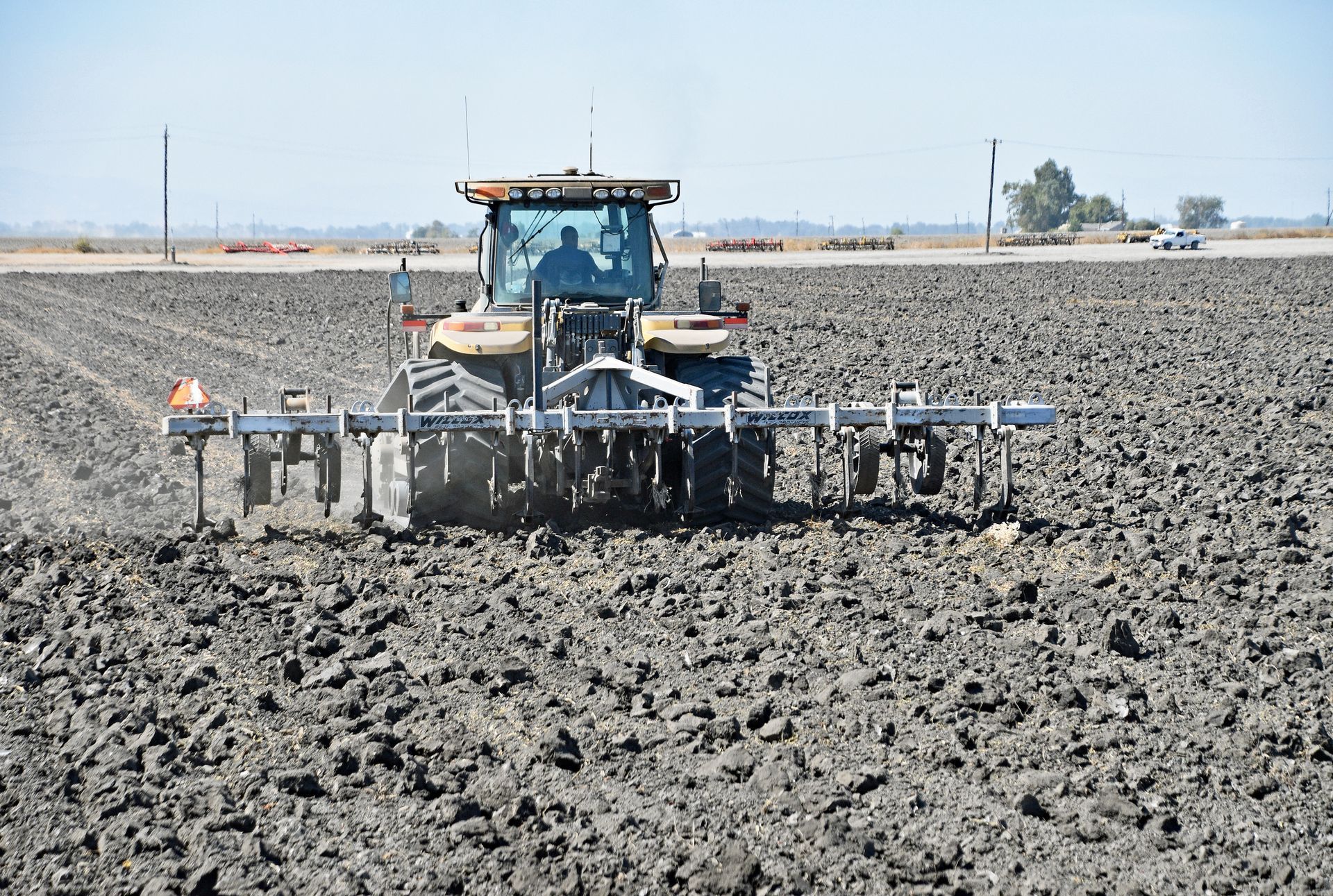
Many growers like to prepare fields or beds in the fall while conditions are still dry. This way, they have minimal work in the spring before planting.
Photo: Vicky Boyd.
Q: What are a few of the must-do post-harvest activities?
MATT: In the almonds, we’re applying post-harvest nitrogen if our tissue samples came back low in July. Later in the fall, we’ll do yield calculations to determine how much potassium was removed and how much we need to apply via SOP (sulfate of potash). We’ll also apply amendments, like compost, gypsum or lime, depending on the soil samples.
In the almonds, a lot of times we’ll do multiple post-harvest irrigations. We’ve seen November frost events, and we’ve actually had dieback in walnut trees. It’s been a lot more severe where growers weren’t doing post-harvest irrigation.
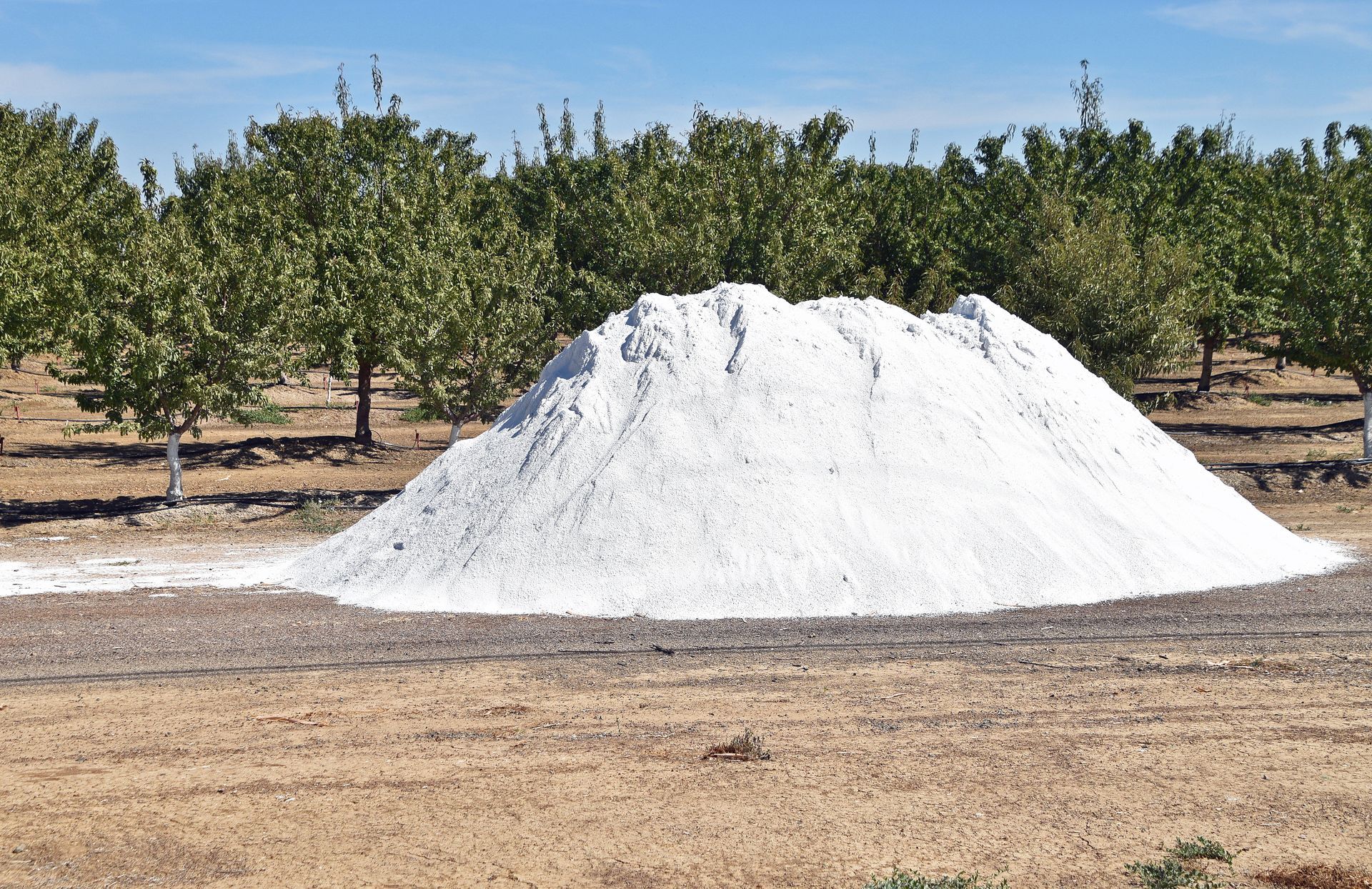
Based on nut tree tissue and soil samples, apply soil amendments and/or fertilizer in the fall to address any deficiencies and replace what was removed by the crop.
Photo: Vicky Boyd.
Winter sanitation is very important to keep our navel orangeworm (NOW) pressures down. I don’t think I have a single almond grower who doesn’t do sanitation for NOW. As far as walnuts, more growers are getting on the train and seeing value in doing winter sanitation.
JAKE: I think straw decomposition is really important, and it helps reduce scum pressure in the spring when you’re trying to get a stand established. I know some growers will chop twice and then chisel or disk. Or you can stomp it with a tractor on steel wheels and incorporate it all in one pass.
JUSTIN: We’re taking soil samples now to see if we need amendments, like gypsum, potash or phosphorus. We’ll be adding the amendments, if needed, and getting beds in shape. On a lot of fields, I’ll put a (herbicide) sterilant on the beds to keep them clean up until early spring.
To winterize drip systems, growers will run N-pHuric (acid) or peroxylacetic acid, then chlorinate them. If the tape is old and they’ll be pulling and replacing it, they’ll try to put in new tape in the fall before it starts raining.
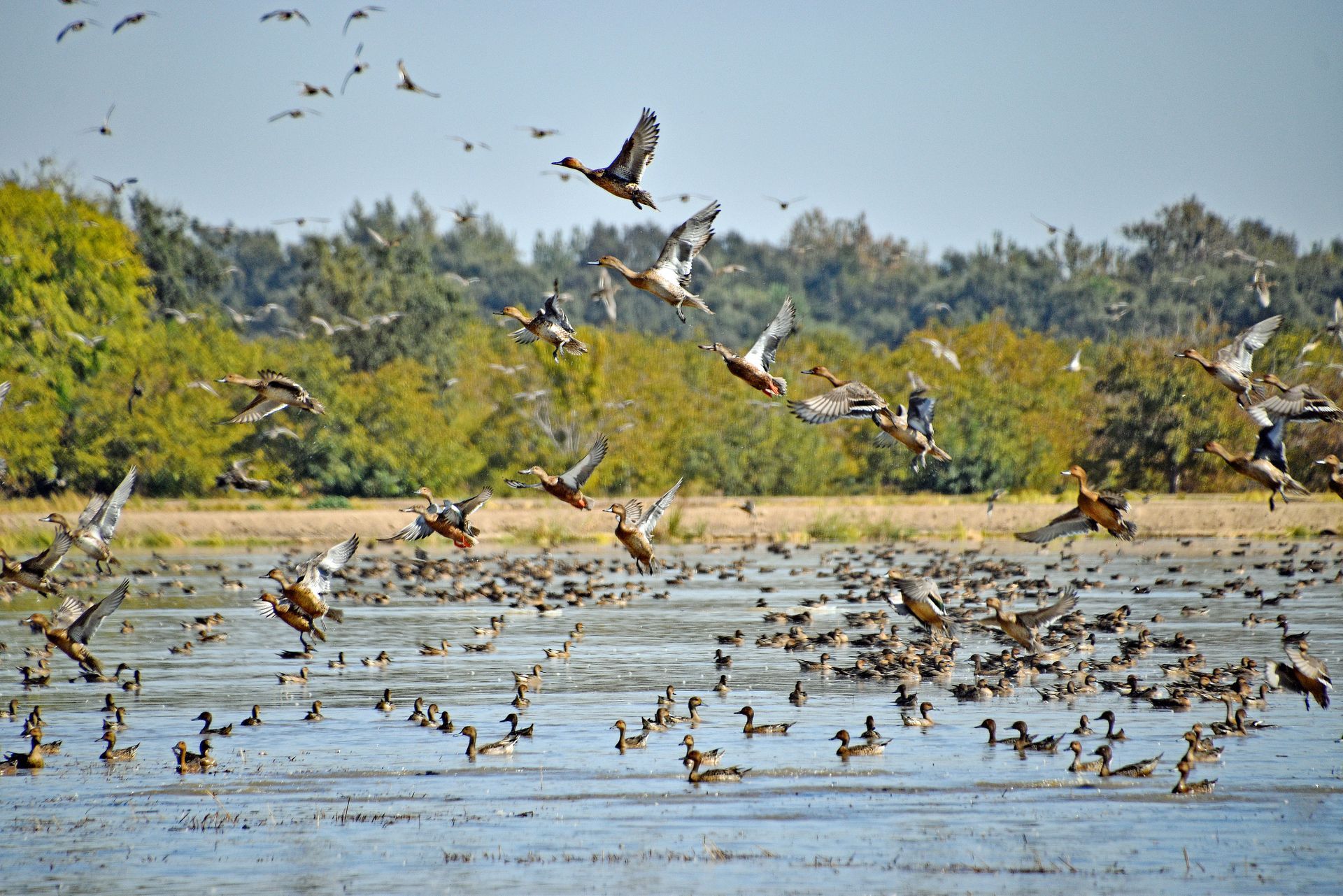
Some rice producers quickly chop and disk rice straw remaining after harvest so they can apply water to create habitat for early arriving migratory waterfowl.
Photo: Vicky Boyd.
Q: How do you work with your growers to develop a plan for next season?
MATT: We’ll start out with our different spray timings beginning at almond bloom. If we have all these rain events at these different key timings for our diseases, these will be the products we’ll use. We’ll also look back on what insecticides we used, spray timings and trapping data. Then we come up with a plan for rotating our chemistries for IPM and resistance management.
JAKE: After harvest, I get together with the growers, talk about the yields and what varieties they planted, and see what we can do better. A lot of them will show me their milling reports.
JUSTIN: It varies from grower to grower. Some are very organized, and they’ve been developing plans for the following year since the middle of the current growing season. Others make decisions later on. A lot of times, we’ll meet after harvest when they’ve identified prospective fields. They’ll ask my opinion on disease pressure, and we’ll look at yields, how long tomatoes have been in that field and their rotation schedules. Then we’ll develop a plan with varieties.
Q: How important is planning before the season starts?
MATT: It’s pretty important to have your roadmap, if you will. Then it comes back to the weather. But we definitely like to have the plan ready to go so we can have the material in the barn, especially with companies having production shortages or issues having materials. So this kind of forecasting is really key to getting through a bad season.
Q: What’s one take-home message you’d like to give growers?
MATT: The better we can plan and the more prepared we can be, the better we can deliver on what we need to do.
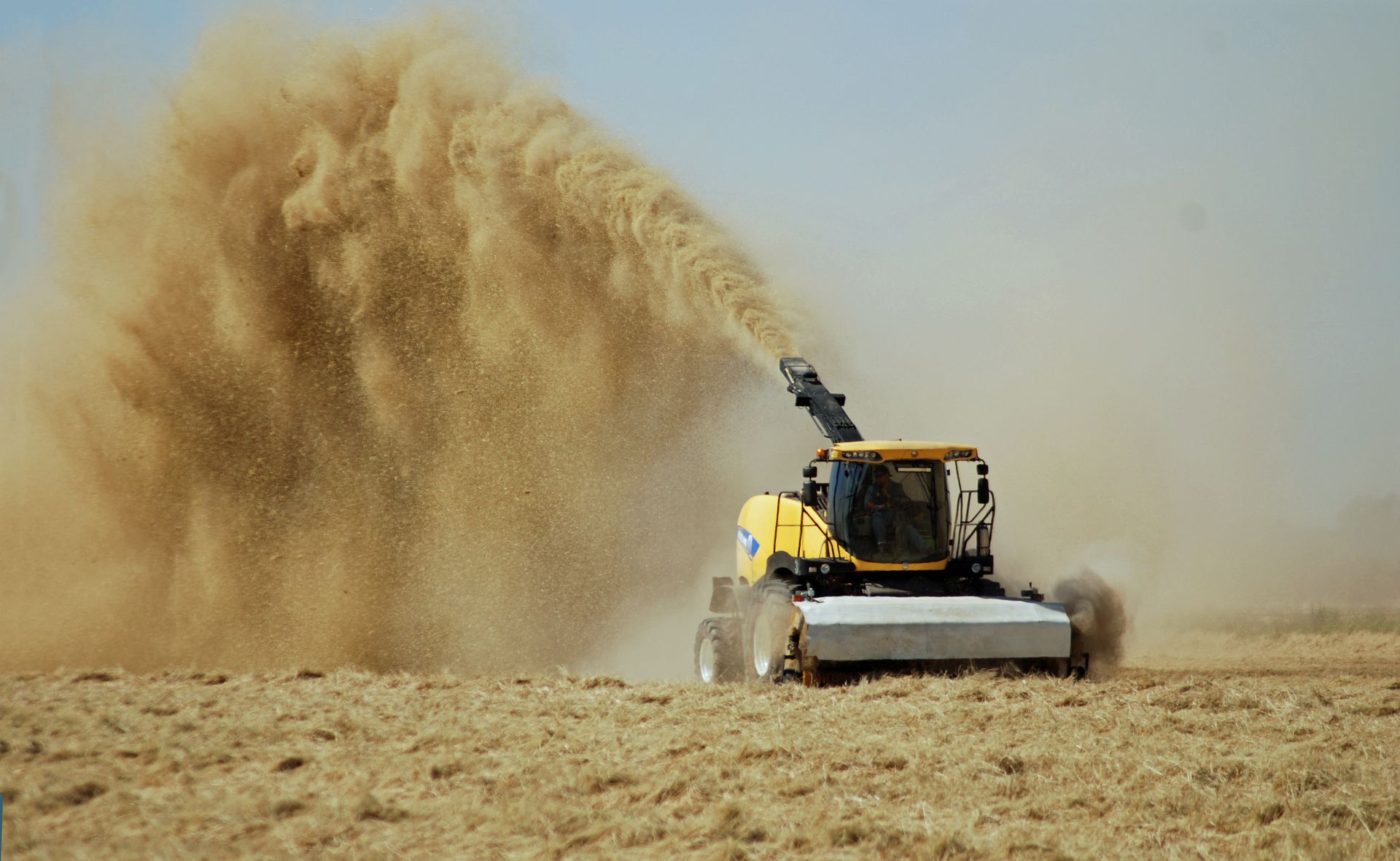
Some rice producers will hire forage choppers to custom chop leftover rice straw before they disk it and flood fields for waterfowl and straw decomposition.
Photo: Vicky Boyd.
JAKE: Have a goal in mind and plan as strategically as possible. Have your budget ready and get a game plan together, so we’re both on the same page. Try to be open to different herbicide tools because sometimes Mother Nature throws you a curve and you’ve got to change your weed program.
JUSTIN: Depending on contracted acres for next year, try to pick your freshest or best ground to grow what at this time is one of your higher-valued crops.