
Grow West Newsletter
Growing Together Summer 2026

Much of the San Joaquin Valley is suffering from critical groundwater overdraft, which has led to land subsidence of up to 29 feet, infrastructure damage and agricultural pumping restrictions.
While the Sacramento Valley doesn’t have nearly the same levels of over- pumping, a number of Northern California groundwater management groups have nonetheless taken preemptive steps to ensure it doesn’t occur.
“I think the big takeaway that I always come back to is the Sacramento Valley has surface water supplies that generally offset groundwater pumping and the land subsidence relative to the San Joaquin Valley,” said Erik Cadaret, president of Groundwater Resources Association of California.
Groundwater Under Pressure
What growers need to know about SGMA
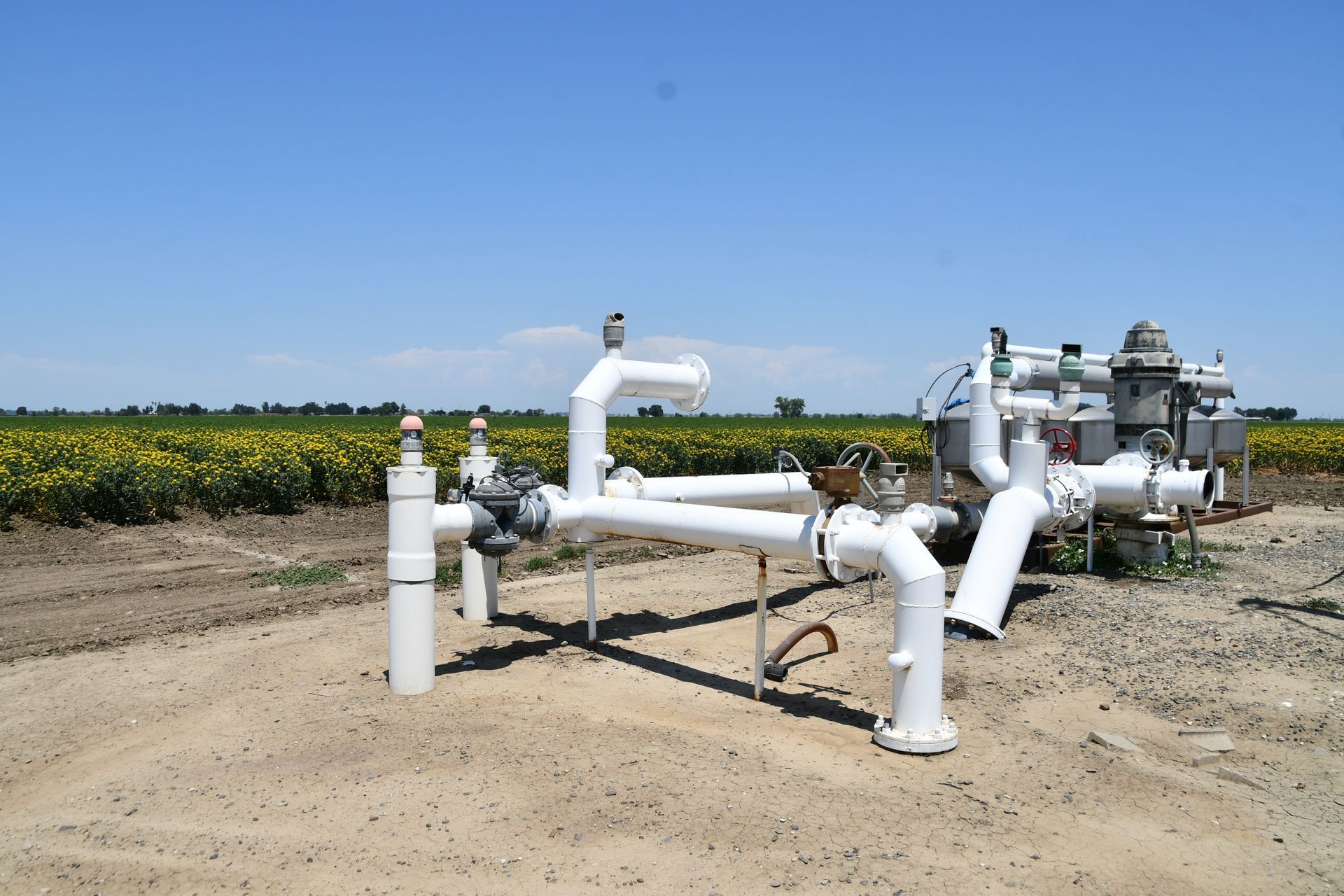
During an average year, groundwater accounts for about 37% of water used within the Colusa Subbasin, which includes parts of Glenn and Colusa counties.
Photo: Vicky Boyd
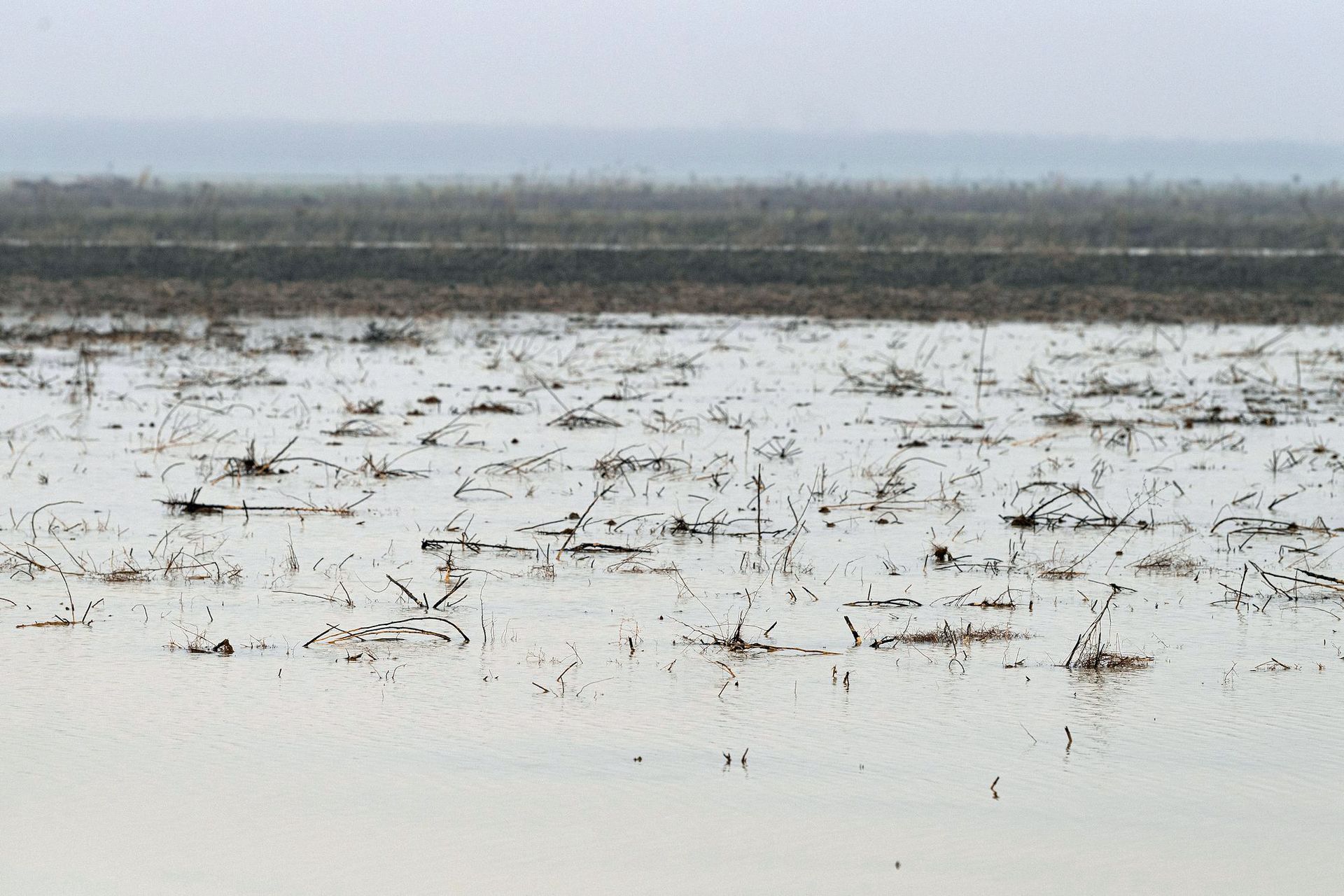
Surplus surface water is applied to a Yolo County rice field during the winter to provide waterfowl habitat as well as groundwater recharge. Photo courtesy Yolo Subbasin Groundwater Agency.
The increased scrutiny of underground water supplies was prompted by the Sustainable Groundwater Management Act (SGMA). Under the 2014 legislation, regional water managers must develop plans to balance groundwater extraction with groundwater recharge by 2040 or 2042, depending on overdraft severity.
How those goals are achieved is left to local decision makers, said Jeff Davids, chief technology officer and vice president of Davids Engineering, who has helped draft several groundwater plans.
Historic Groundwater Act
Rather than individual water or irrigation providers within subbasins drafting their own plans, many came together under joint powers agreements to form groundwater sustainability agencies. For example, the Glenn Groundwater Authority and the Colusa Groundwater Authority together developed a groundwater sustainability plan for the Colusa Subbasin, which covers about 720,000 acres and is the largest subbasin within the Sacramento Valley Groundwater Basin.
Since 2015, three areas of subsidence within the subbasin have been identified: Arbuckle, which has the worst at nearly 3 feet; and Orland Artois and Woodland, each with nearly 1 foot. Most of that is considered “inelastic subsidence” – meaning the ground won’t rebound during a normal or abnormally high rainfall year, Davids said.
As part of their effort, the Colusa Subbasin groups set a subsidence limit of 2 additional feet since January 2024 to avoid undesirable impacts to infrastructure, such as the Tehama- Colusa or Glenn-Colusa canals, he said.
“We don’t want to negatively impact our ability to move surface water,” Davids said, pointing to subsidence-caused damage to the California Aqueduct as an example. “Our members are taking it pretty seriously. I think our community is very vigilant about that and sees a huge cautionary tale in the San Joaquin Valley.”
During an average year, groundwater accounts for about 37% of water used within the Colusa Subbasin. And users can sustainably pump about 500,000 to 550,000 acre-feet of groundwater annually.
To make up an estimated 60,000 acre-feet of annual overdraft, the Colusa Subbasin plan includes demand reduction programs, in-lieu recharge and domestic well mitigation.
But demand reduction doesn’t necessarily mean pumping restrictions or allocations, Davids said. As part of in-lieu recharge, surface water can be substituted for groundwater.
Addressing Overdraft
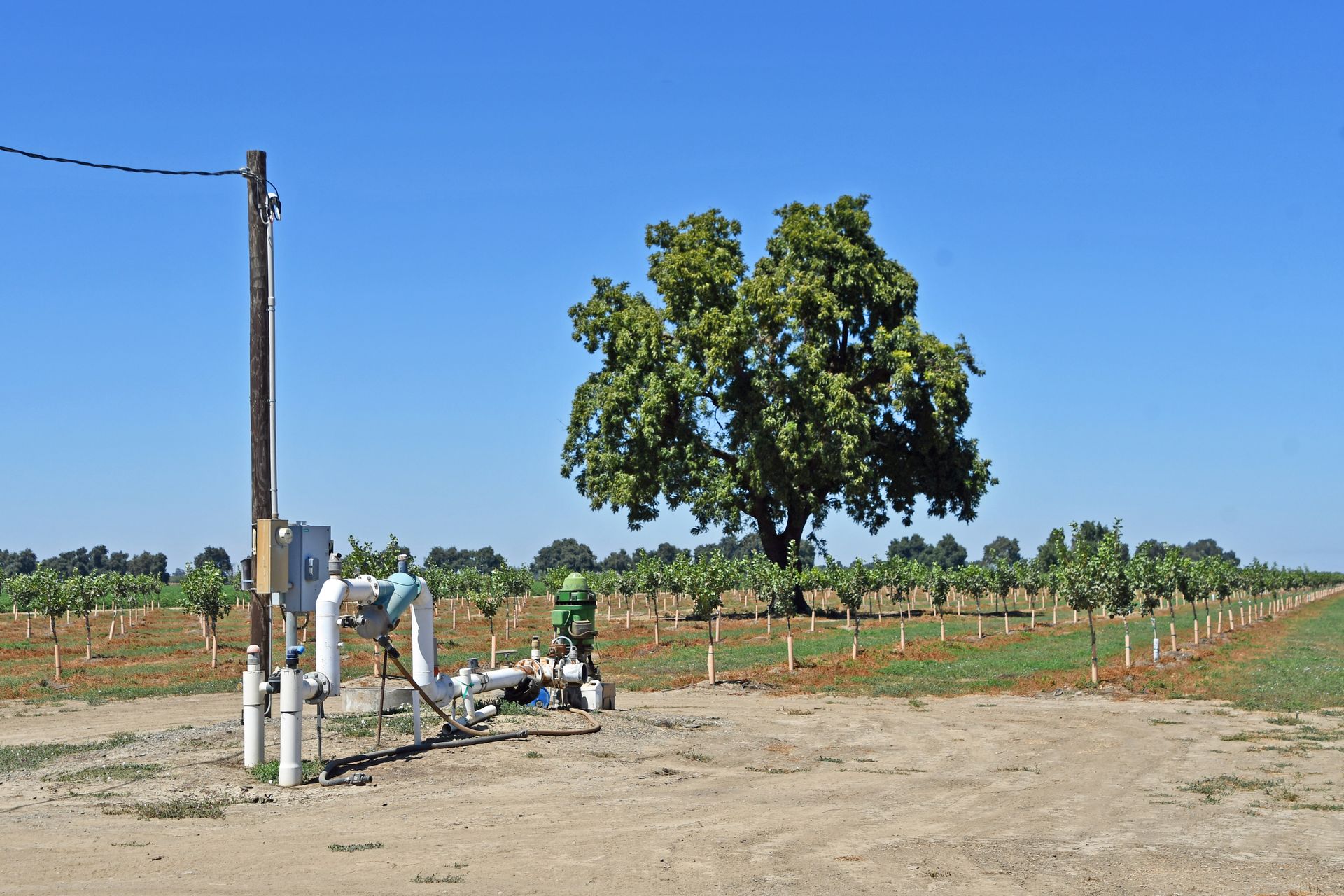
The acres planted to perennial crops in Yolo County nearly tripled between 1997 and 2021. Because perennial crops cannot be fallowed during a dry year, the increased orchard plantings resulted in a “hardening” of groundwater demand. Photo: Vicky Boyd
Another portion of the groundwater plan focuses on direct recharge, where water is applied to the soil surface and infiltrates to replenish groundwater. Although one would think that rice ground wouldn’t be suitable for direct recharge, Cadaret said he was surprised by efforts in central Yolo County. About 3,000 acres of rice fields were involved in direct recharge during the 2025-26 winter.
“It turns out there are quite a few rice fields in Yolo (County) that farmers grow rice on, but they’re leaky and don’t hold water well,” said Cadaret, who also serves as the Yolo County Flood Control and Water Conservation District assistant general manager. “From the data, those rice fields did pretty well, and they resulted in meaningful changes in groundwater wells nearby.”
With gravel or sandy soils, Davids said streams coming from the Coast Range, such as Stony Creek, Salt Creek and Willow Creek, are conducive to direct recharge. They’re also the areas with more permanent crops that rely largely on groundwater.
“Up here (in the Sacramento Valley), we have surface water that’s unused,” Davids said. “I think there’s a general sense that we can close that gap with both in-lieu recharge and direct recharge without having to change the net acreage under production. Now both of those are going to take significant investments. It’s a problem that’s not going to get solved for free.”
Even before SGMA, Gov. Jerry Brown signed Assembly Bill 685 in 2012 that recognized every human had the right to safe, clean, affordable drinking water. SGMA incorporated that right by categorizing loss of domestic wells as an undesirable effect that must be mitigated in groundwater management plans.
Of the 4,400 dry wells reported to the state over the past 10 years, about 730 were in the Sacramento River watershed, Davids said. Within the Colusa Subbasin, there have been about 100 mostly in the Orland area. When the city of Orland connected households to the municipal water system, most of those dry wells were mitigated.
The Northern California groundwater agencies must continue to submit updated management plans to the California Department of Water Resources every five years to show how they’re working to meet the deadline, with the Colusa Subbasin’s next revision due by Jan. 28, 2027.
A Human Right: Drinking Water
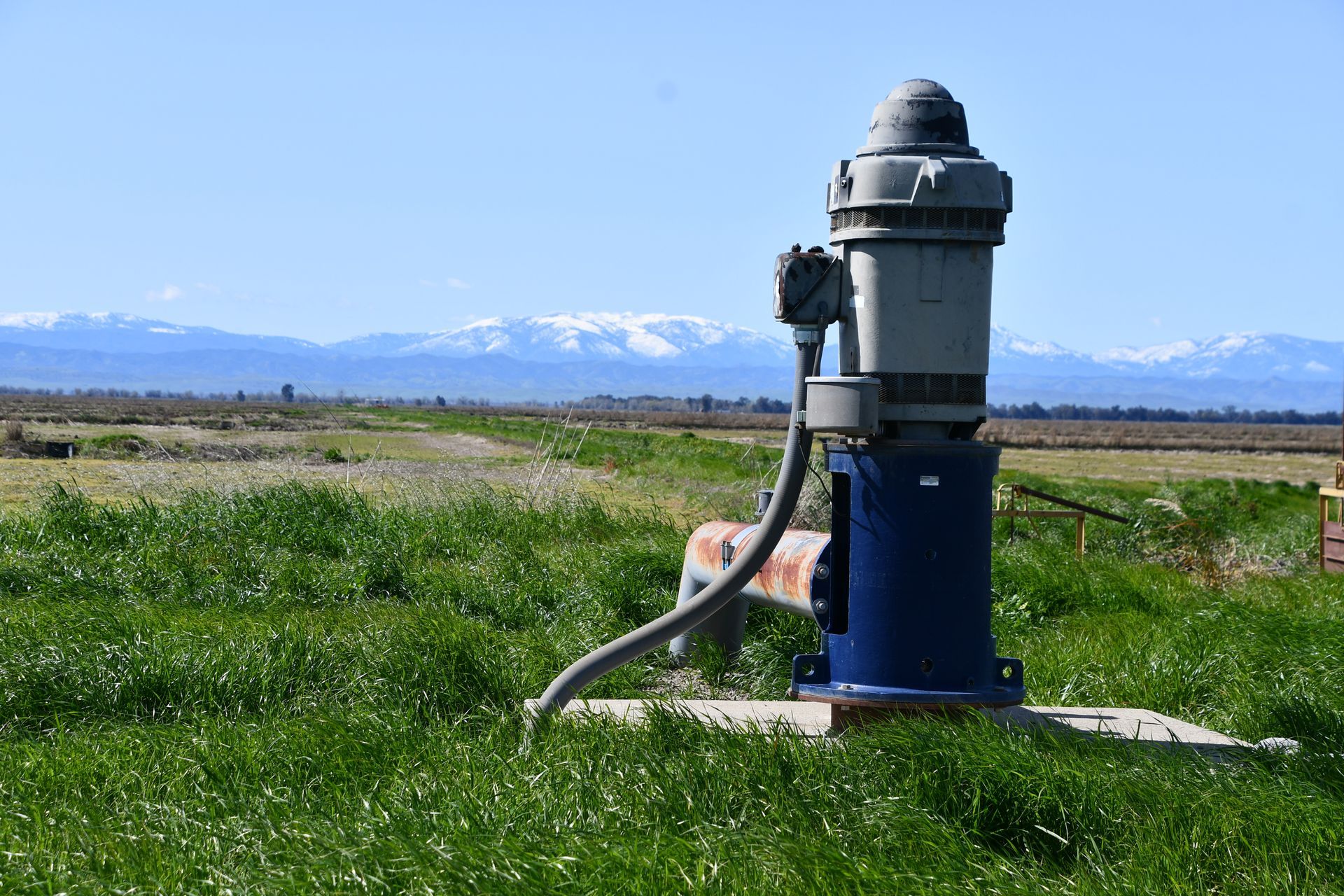
The annual sustainable groundwater yield in the Colusa Subbasin is between 500,000 and 550,000 acre-feet. Photo: Vicky Boyd