
September 9, 2019

Grow West Newsletter

FS3: Food Safety Document Requirements

Growing Together Fall 2019

Field of bright yellow sunflowers in bloom.
September 11, 2019
Growing Together Fall 2019
Combine harvester in a field at dusk, with windmills in the background and a purple sky.
September 10, 2019
Growing Together Fall 2019
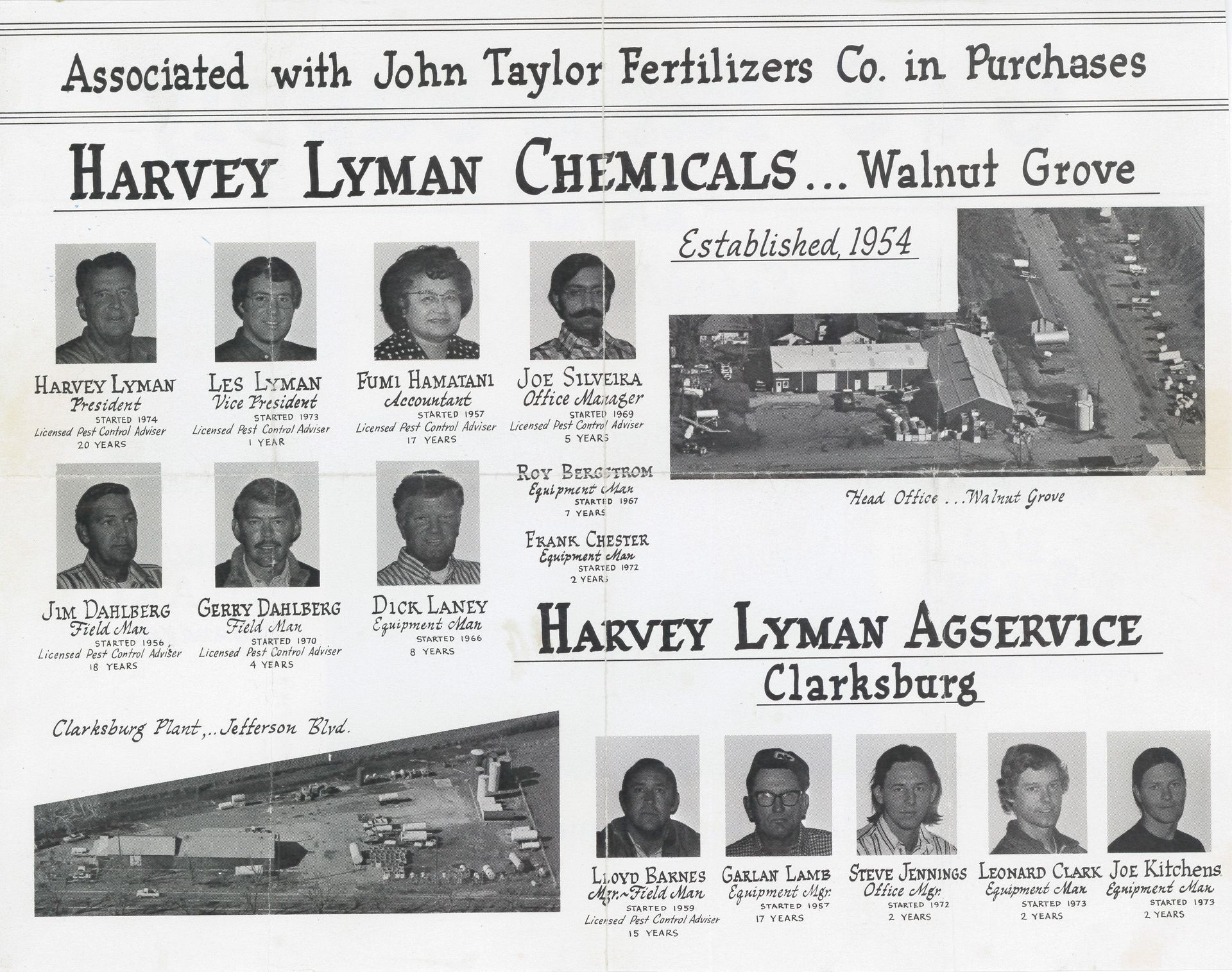
Advertisement for Harvey Lyman Chemicals and Agservice, featuring employee photos and facilities.
September 8, 2019
Growing Together Fall 2019
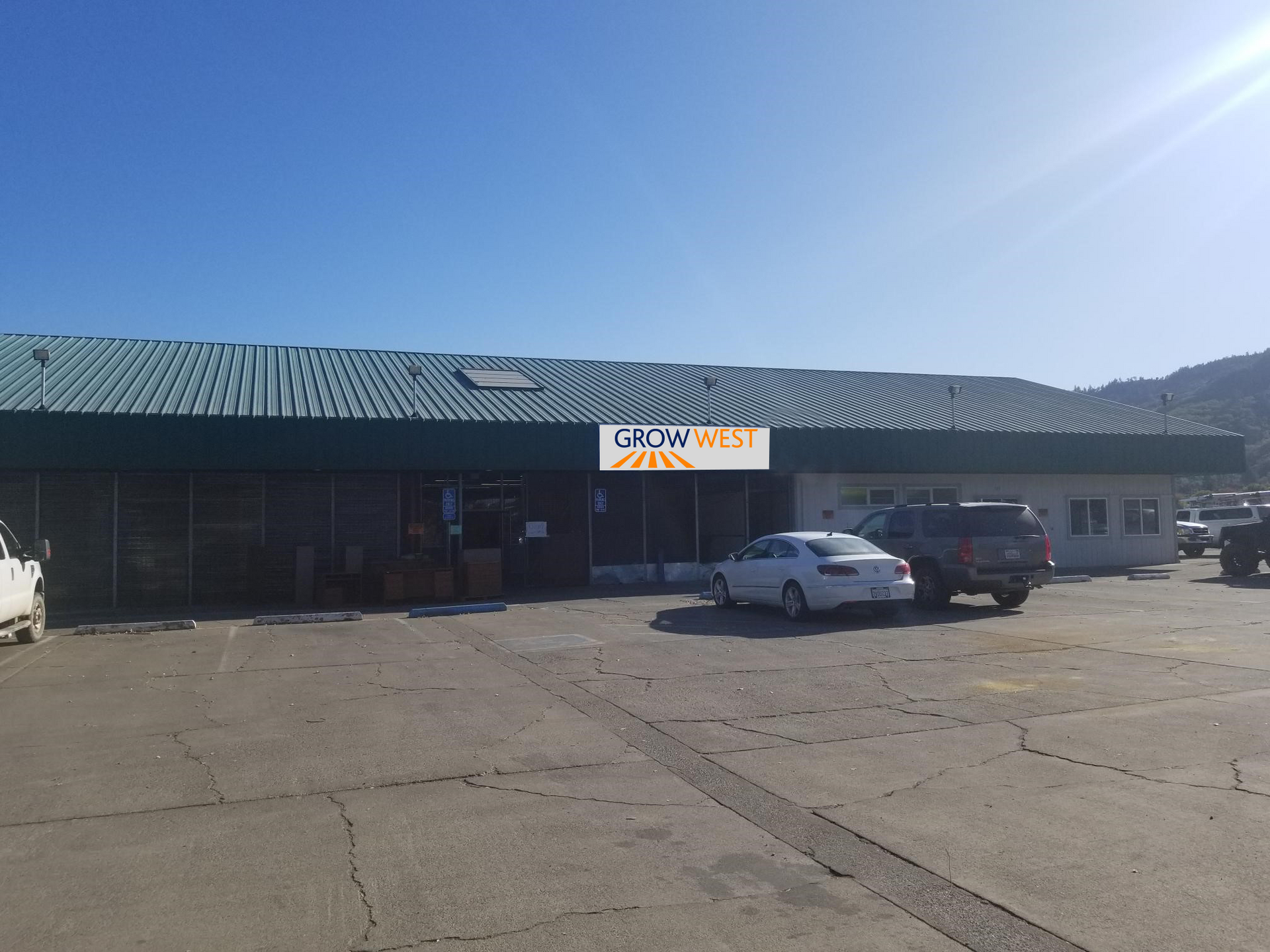
Building with sign
September 6, 2019
Growing Together Fall 2019
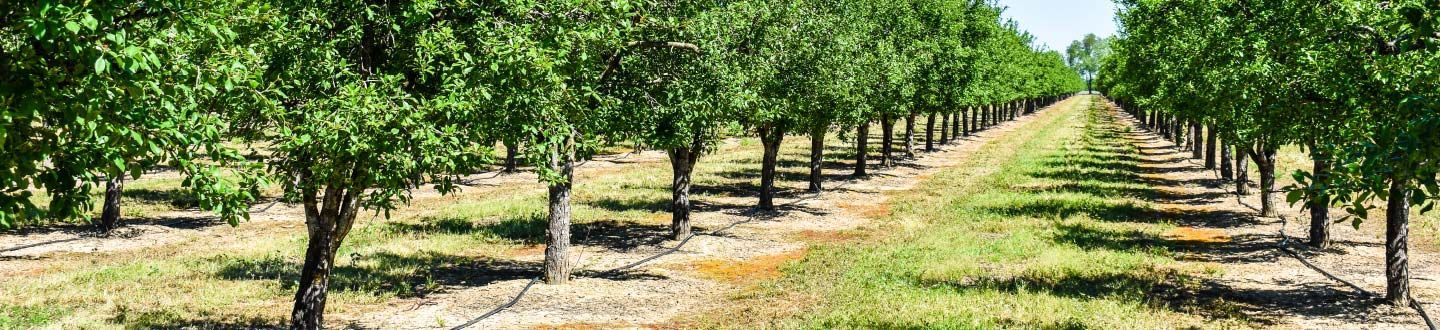
Rows of green fruit trees in an orchard on a sunny day.
September 5, 2019
Growing Together Fall 2019
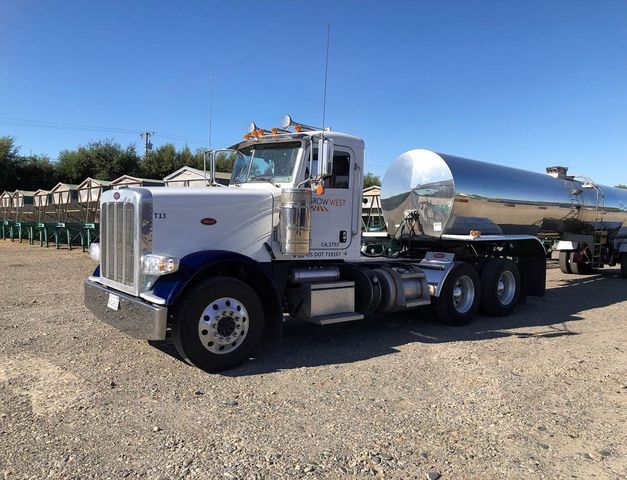
Silver and white tanker truck parked on gravel under a blue sky.
September 4, 2019
Growing Together Fall 2019
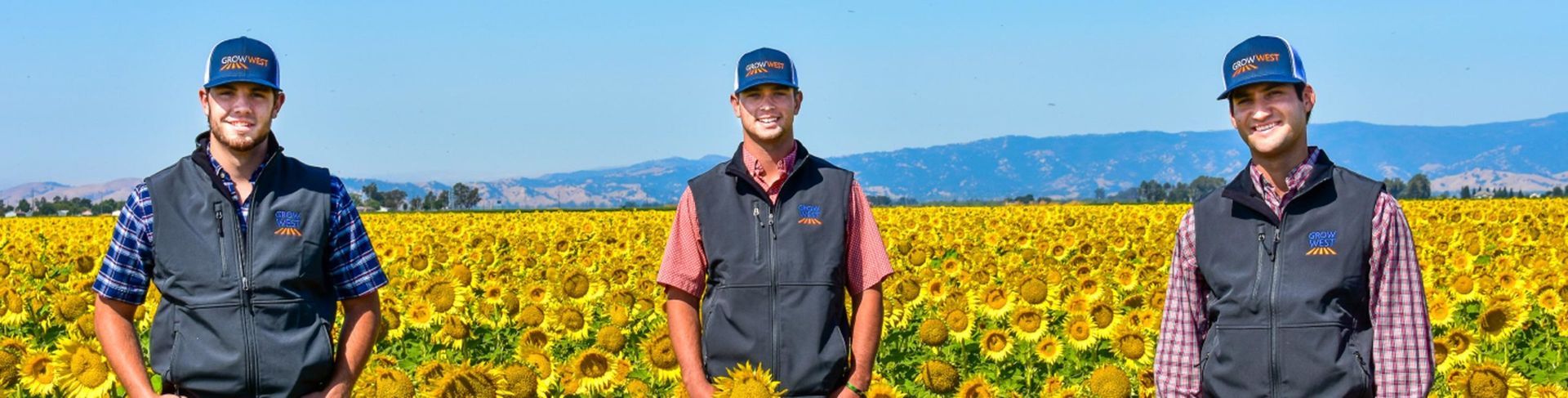
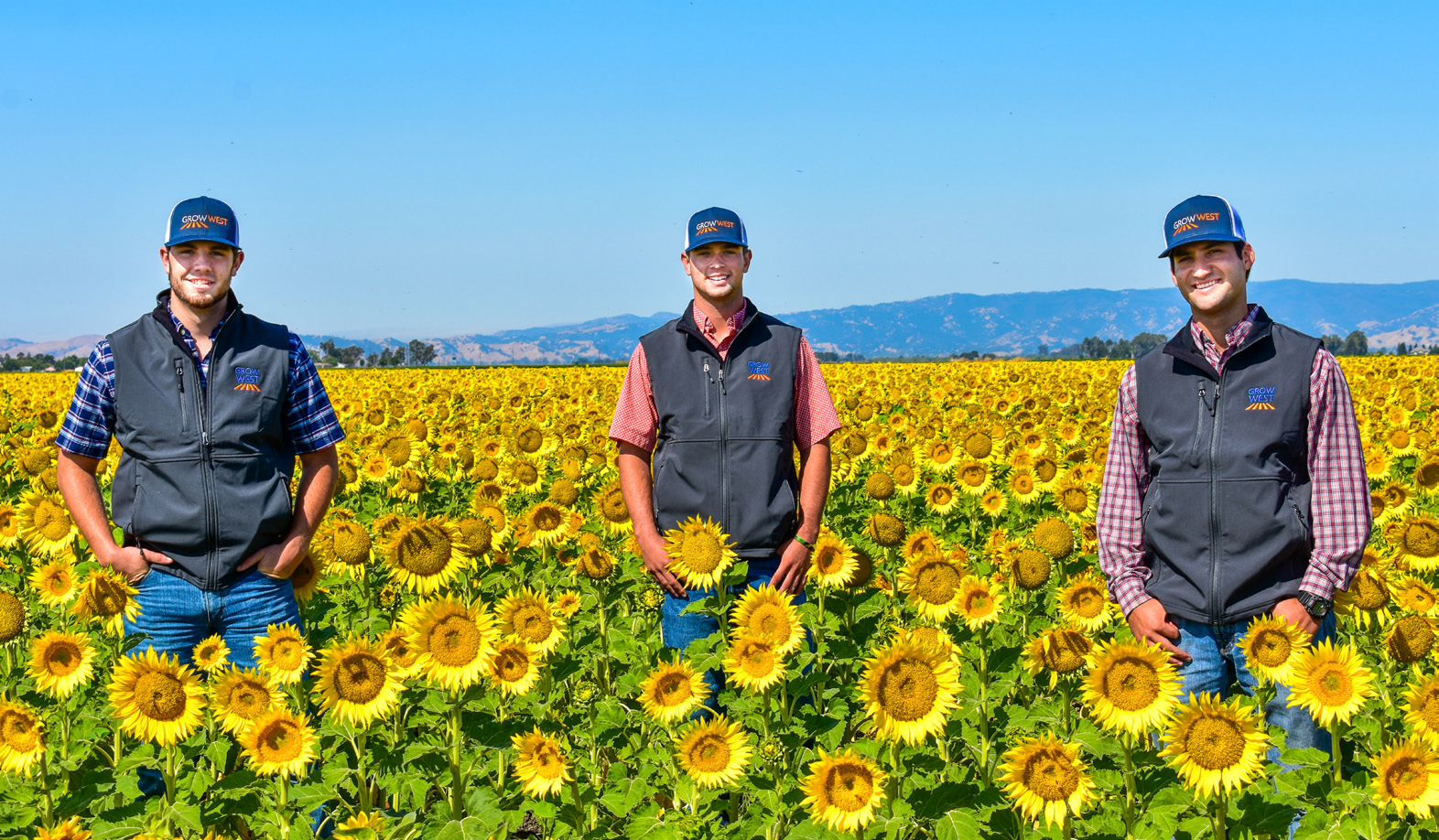
Three people in vests and caps stand in a field of sunflowers under a blue sky.
September 3, 2019
Growing Together Fall 2019
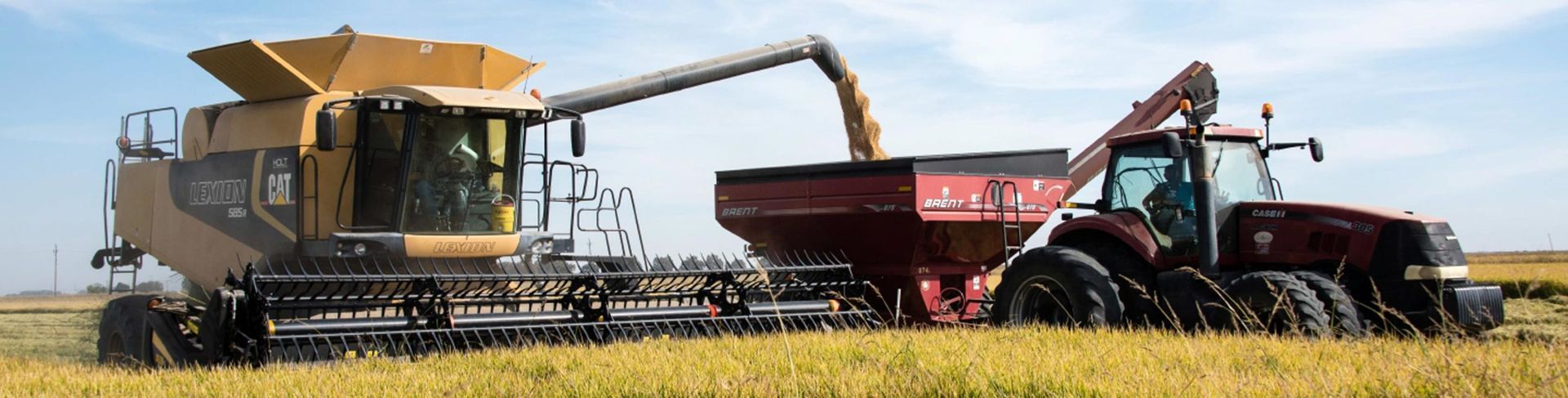
A combine harvester unloading grain into a tractor-pulled grain cart in a field under a blue sky.
September 2, 2019
Growing Together Fall 2019
Sunset over a field of plants. The sky is pink and orange. Dark trees and buildings in the distance.
September 1, 2019
Growing Together Fall 2019

Growing Together Fall 2019 - FS3: Food Safety Document Requirements

In a food safety program, growers must meet several requirements. Among those are documenting the fertilizer source, application rates, and employee training. The “document requirement,” as it’s called, is perhaps one of the most important aspects of food safety. In the view of an auditor, nothing has truly been done until it is written down. Verbal confirmation of some activities is invalid to an auditor without a written record.

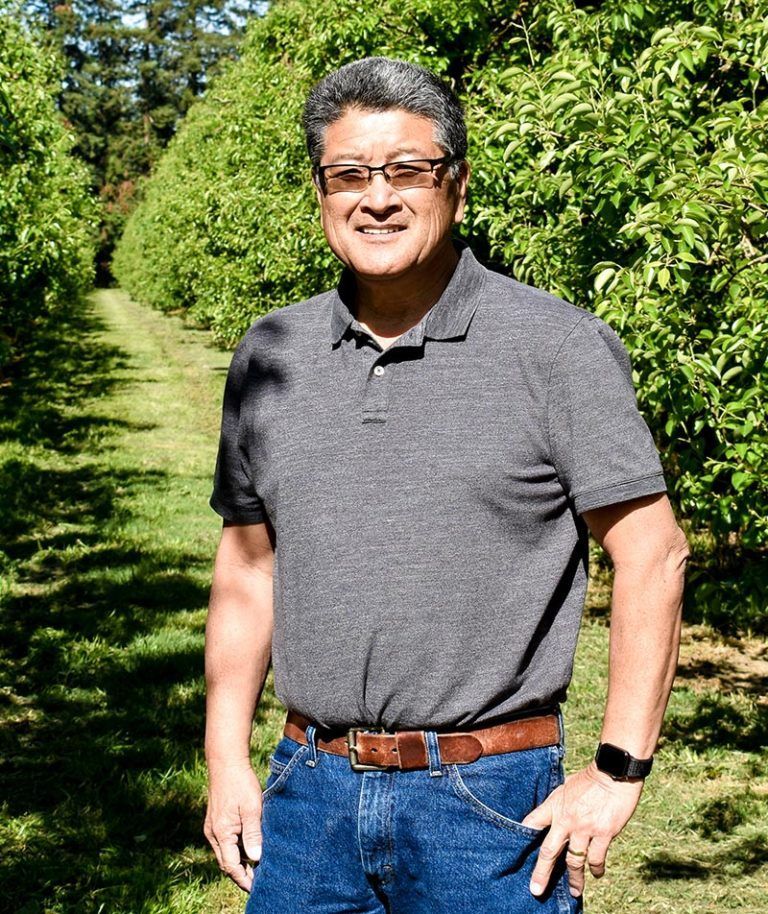
Man in gray shirt and jeans standing in an orchard, smiling.

Karl Yuki, Grow West PCA/CCA and FS3 Food Safety Consultant

As a food safety consultant, the most common mistakes made on the document requirement are:

  1. Missing signature. Most records need a signature to show who did the recording or that it was reviewed.
  2. Dates without the year. Dates are needed on everything. The need to keep records for at least two years makes it important to know what year the record was made.
  3. Misplaced records. Records need to be retrievable. Organization is as important as creating the record.

How events are recorded can be just as important. Always write in ink, not pencil. Mistakes will happen (we’re all human) but refrain from scribbling over them or using white-out. A single line through the error is the preferred method for making edits. Electronic records are acceptable if there is a method to track changes. In the world of food safety, even accidental mistakes need to be documented.

Logo for Food Safety and Sustainability Specialists; green FS3 design with blue and white accents, red text.

For more information about FS3 visit us at www.fs3.us